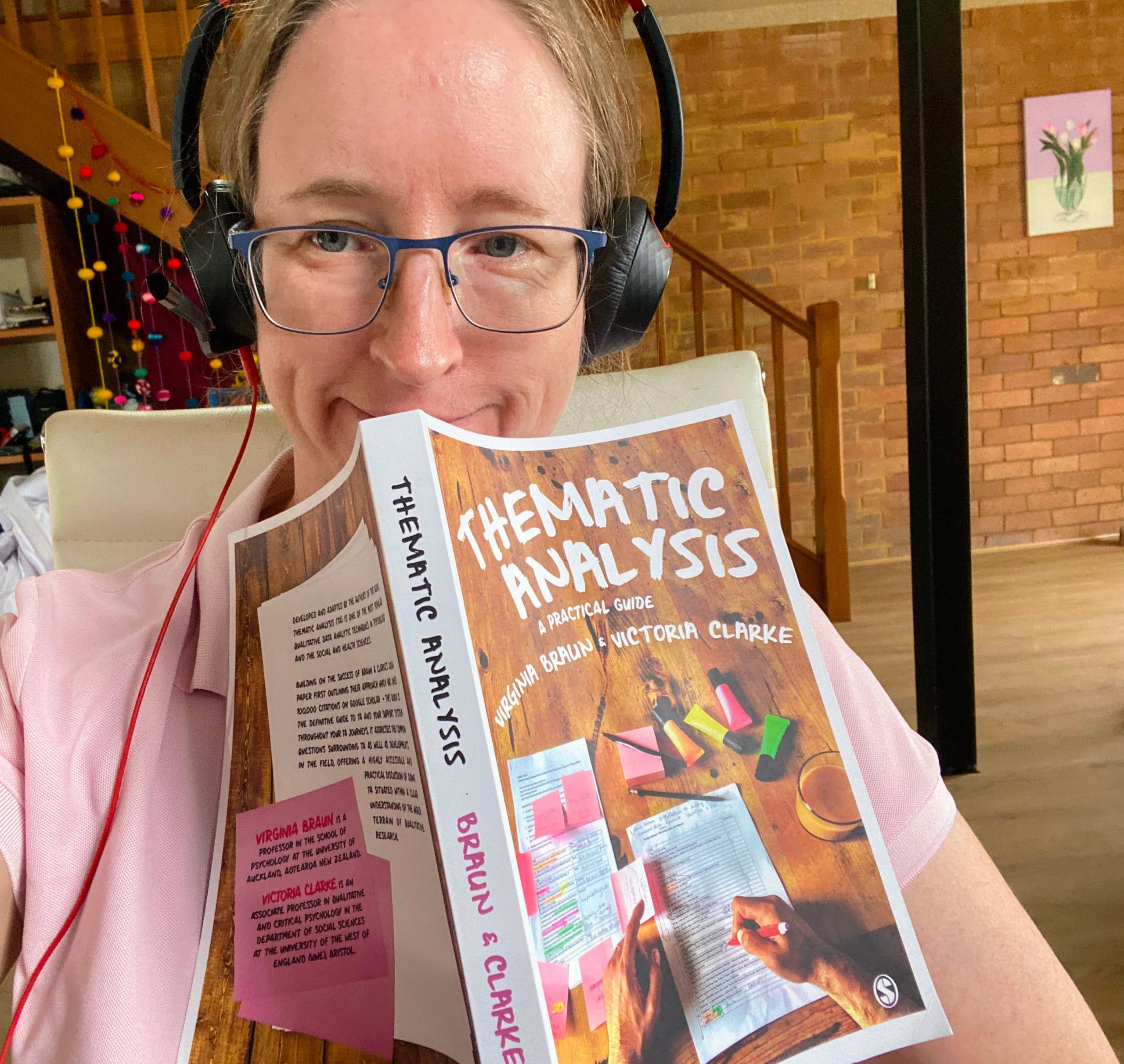
My part is a patient engagement into the needs of people with Parkinson’s in Latin America to understand the research priorities for research from their perspective. I don’t want to give it all away but I met 25 facinating people and now I am writing the results up. Below is a paper from my teambwhich is a good starting point to understand the theme, if you like reading academic papers:
This article received a citation and very positive responce from the Parkinson’s Journal. Congrats to Dani Kim and the whole team.
And now – I better get back to writing up my research results but I value your thoughts and prayers over the next month so I can do this topic justice and help raise awareness of the needs of people with Parkinson’s in Latin America.
I’d like to meet the team at Michael J Fox Foundation and Michael too and explain to them the results. My hope is that future research projects will help to make change in reality and improve care for people with Parkinson’s in Latin America. Thanks for your support and hopefully once the research is done I will be better a blogging too!
PS. Too busy not to blog is a title slightly stolen from a book some of you may have read back in the day. (If you don’t what I am talking about – Ask me and I can explain).
Dr Bastiaan Bloem, famous neurologist is visiting Australia from the Netherlands this month.
Did you know that there has been a 60% decrease in the incidence of Parkinson’s disease in the Netherlands, 1990-2000?
Parkinson’s is rising! Yes – in most countries
Is Parkinson’s is largely man-made? Is Parkinson’s preventable?
Research has shown exposure to certain chemicals used in everyday products and agriculture could be linked to Parkinson’s Disease. This issue has come into the eye of the Parkinson’s community internationally because a booked called Ending Parkinson’s was published in 2020 telling about the authors investigations and concerns about the connection between Parkinson’s and chemicals. The ‘coincidental’ high rates of Parkinson’s in farmers in the USA is a big part of this book but it is not just limited to agricultural products so keep reading to see what other chemicals are dangerous.
I have read the book Ending Parkinson’s and recommend it to you all to read, or listen to on Audible. I am not plugging it at the authors request, in fact they are happy to help people get access to the book if they don’t have the means to do so.
But this is a sensitive issue because the some people could loose a lot of money. In the USA one of the companies involved is denying the issue completely, but reports have been done in Australia by the same company that show that 18 billion could be lost if Paraquat was banned.
I will leave it to you to check the links provided and decide for yourself. I am not an authority but a person with Parkinson’s. I am not a farmer and though I have lived in rural areas have no clear reason to link my own diagnosis at age 37 to a specific chemical. I am raising awareness and encouraging people to keep in touch with me on this issue by completing this link and or signing a petition.
Professor Bloem believes this acceleration is due to environmental toxins, pesticides in particular.
Paraquat, a highly toxic weed killer that has been banned in more than 60 countries but is still used in the US, is a complex 1 inhibitor and is very toxic to the area of the brain that Parkinson’s impacts, the substantia nigra.
Pesticide use began being used worldwide in the 1950s to feed a rapidly growing world population. People can be exposed to pesticides through well water, as well as through the food chain. Because milk in particular has been found to contain high concentrations of pesticides, many Parkinson’s researchers including Professor Bloem believe avoiding or limiting dairy may help prevent Parkinson’s.
Currently, there are more than 300 lawsuits filed against Paraquat across the U.S. Due to the multitude of cases, a multidistrict litigation (commonly known as MDL) was passed to help accelerate the legal proceeding
From Parkinson’s Foundation Website
————————————–
I know that I haven’t asnwered all the questions that I have raised but there is much to learn from the links below.
This is more than enough to start your reading and I will write more soon: